The Diaries of Richard Griswold
By Dee Brennan
In 2021, EHS received a rich collection of personal diaries written by Richard Griswold of Ivoryton, which he kept from 1874 through 1921. Donated to EHS by collector and EHS member Kathleen Ely, the 29 individual diaries offer a detailed account of a working, loving family during a time in American History of dramatic growth and noted changes. One of EHS’s Collections volunteers, Dee Brennan, continues to read Richard’s diaries to understand work and life in a factory village at the turn of the century.
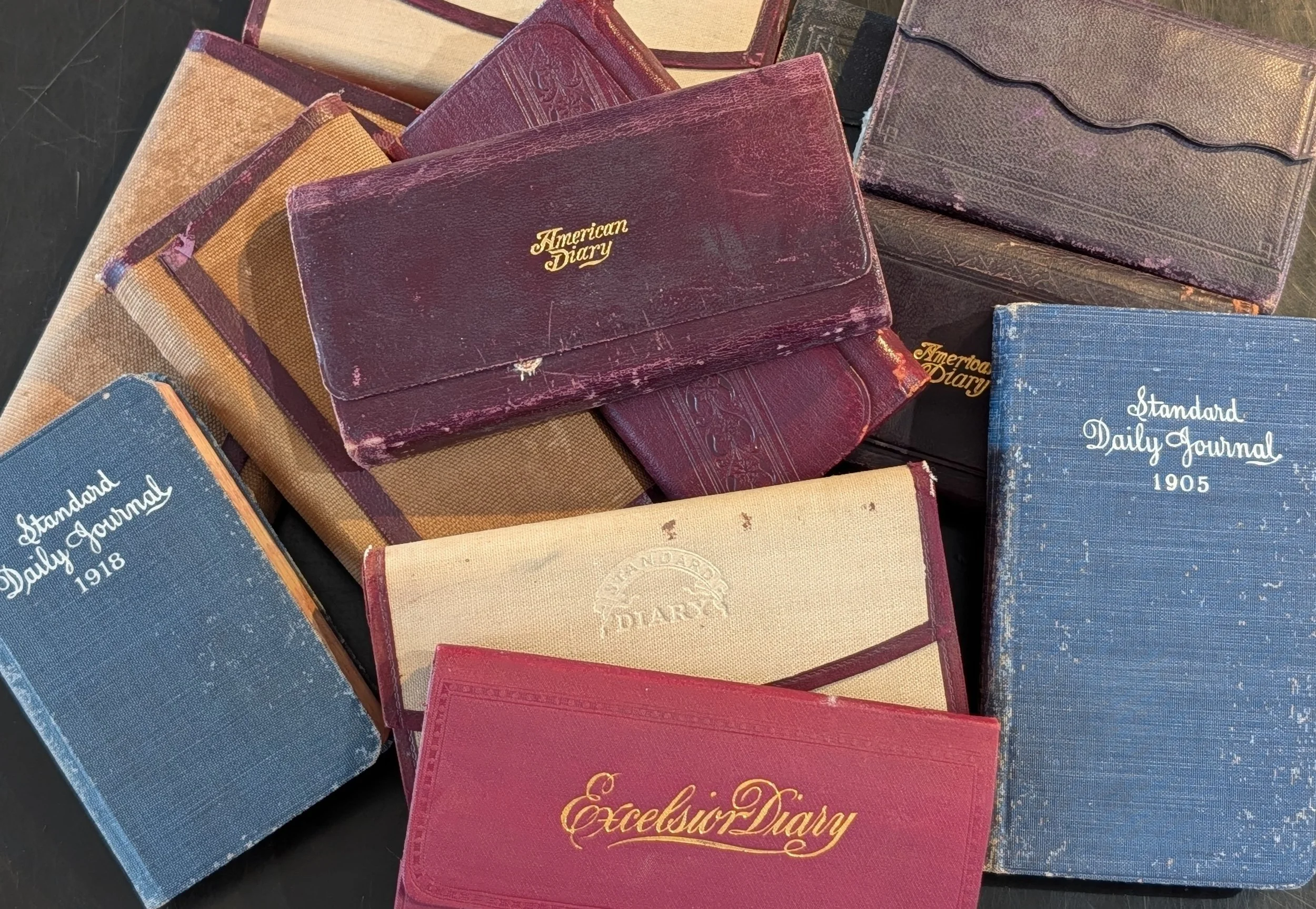
EHS stewards Griswold’s 29 diaries and hundreds of other books and manuscripts at the Hills Academy History Center. Please join us at one of our monthly Volunteer Open Houses to learn how you can explore and care for EHS’s rich collections!
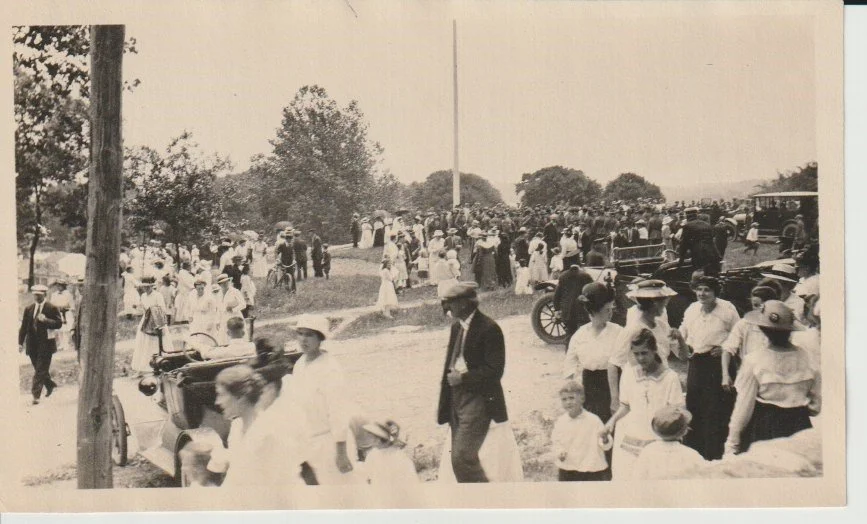
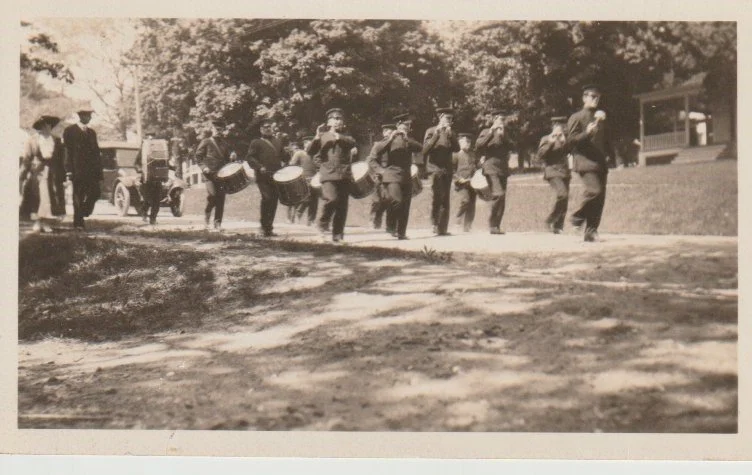
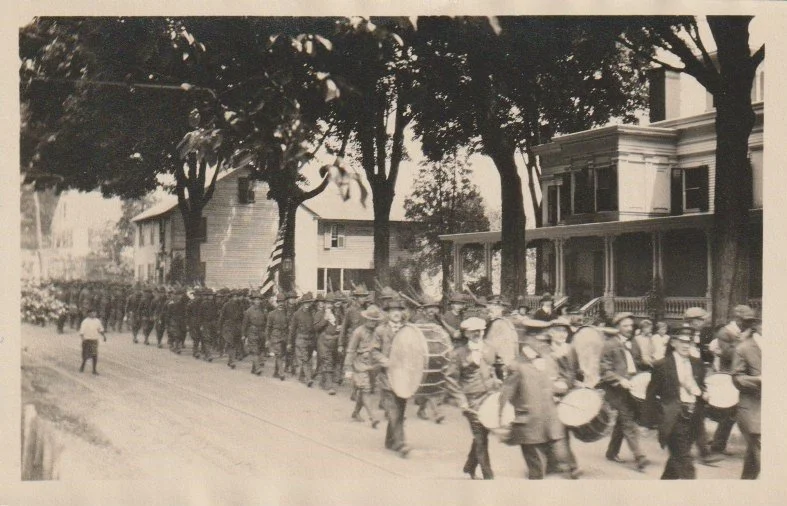
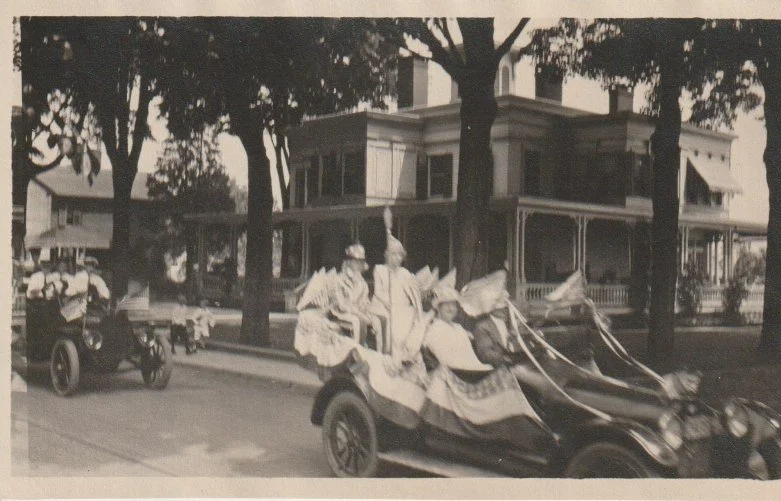
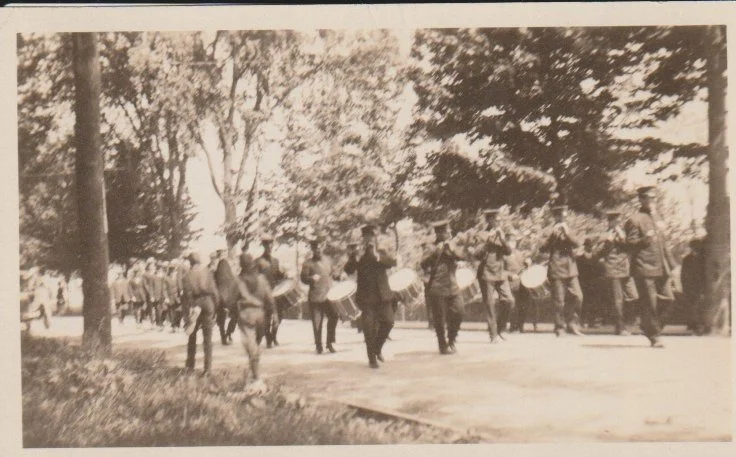
Richard Griswold, who lived on the main road in Ivoryton, was born in 1841 and died in 1927, witnessing major events from the Civil War to the Great Depression. For example, he records the news from April 6, 1917, when the United States Congress declared war on Germany and he writes about riding in the November 11, 1918, Armistice Day Parade in Essex.
He was happily married to Alvina “Vina” Merrill of Clinton for many years. He often writes of evenings spent at home “keeping house” with Vina, playing cards and games with friends such as the Bushnells, Platts and Doanes. Vina was often ill as he wrote in his diaries; she experienced “sick headaches’ and died young in 1891. They had four children: Abigail, who died at 8, two sons, Robert and Frederick, and a daughter Fanny who was very close to him late in his life. Richard and Vina often visited Abby’s grave to bring flowers.
He worked in the ‘Lower Shop,” or factory, of Ivoryton’s Comstock, Cheney & Co. for most of his life, planing ivory to make combs, billiard balls, buttons and finally piano keys. He worked mostly 9-hour days in the shop, sometimes 8 or 10 hours; there were no legal definitions of a workday, or any requirements for a lunch hour. He made 25 cents per hour in 1884. Pay day was Monday, usually the fifteenth of the month. In November of 1884, he recorded earning $39.75 for 159 hours of work, in December of the same year he earned $45.87 for 181.5 hours.
With this money he had to pay others for feed for his livestock, wood or coal for the cookstove and household heating, and any storebought goods, such as flour or fabric. Although he lived in a factory village with nearby shops and amenities, the family stretched their own income by growing their own produce, similar to most of their neighbors at the time. He kept pigs and cows and planted potatoes and cucumbers and often went fishing with his friends and relatives. He reports catching 180 shad while fishing with a friend!
Richard also writes of enjoying his many friends. He loved to dance, go sleighing and ‘wheeling’ (riding a bicycle) and attend magic shows and dramatic or musical performances. He also describes seeing Barnum’s Hippodrome and baseball games between teams from Essex and Deep River.